
Estimated reading time: 7 minutes
Reptile enthusiasts just like you have turned simple enclosures into flourishing ecosystems, called bioactive vivariums.
What actually is a bioactive vivarium? How is it different from other -ariums? And what usually lives in them?
Keep reading! We’ll cover these topics and more in this post.
Vivarium vs Terrarium
The primary difference between terrariums and vivariums is that a terrarium grows plants only, while a vivarium is a habitat for animals.
Vivariums are most often used for housing reptiles and amphibians like snakes, bearded dragons, ball pythons, geckos, frogs, and many more.
In the next section, you’ll learn what makes an enclosure bioactive and why you may want to create one for your pet.
What is a Bioactive Vivarium?

The key feature of a bioactive vivarium is the inclusion of living organisms such as insects, microorganisms, and plants that work together in a symbiotic relationship.
This setup benefits the animals by providing a more enriched and stimulating environment. Another benefit is the significant reduction of cleaning and maintenance, as natural processes in the habitat work together to keep the space clean.
Do you have to clean a bioactive enclosure? You will have some cleanup duty, but it requires much less than a typical reptile enclosure.
What Do You Need for a Bioactive Vivarium?
Below are the primary elements in a bioactive enclosure.
When set up properly, these elements help nourish one another while using natural processes to clean the environment.
- Drainage Layer (Depending on the environment)
- Natural soil
- Natural decor
- Living Plants
- Bacteria and Fungi
- Microfauna
- Electrical Equipment (Climate Control)
Setting Up Your Bioactive Vivarium
Drainage Layer

In tropical and semi-tropical climates, a drainage layer should be laid beneath your substrate to allow moisture to pass through.
Moisture is crucial, but oversaturation can be problematic.
For bioactive vivariums that need this layer, cover the bottom with gravel, pebbles, or small lava rock about an inch or two deep.
Then, add a mesh barrier on top to stop the substrate from working its way into the drainage layer.
Find your own pebbles, or visit retailers like ZooMed for pebbles made specifically for drainage layers.
Natural Substrate
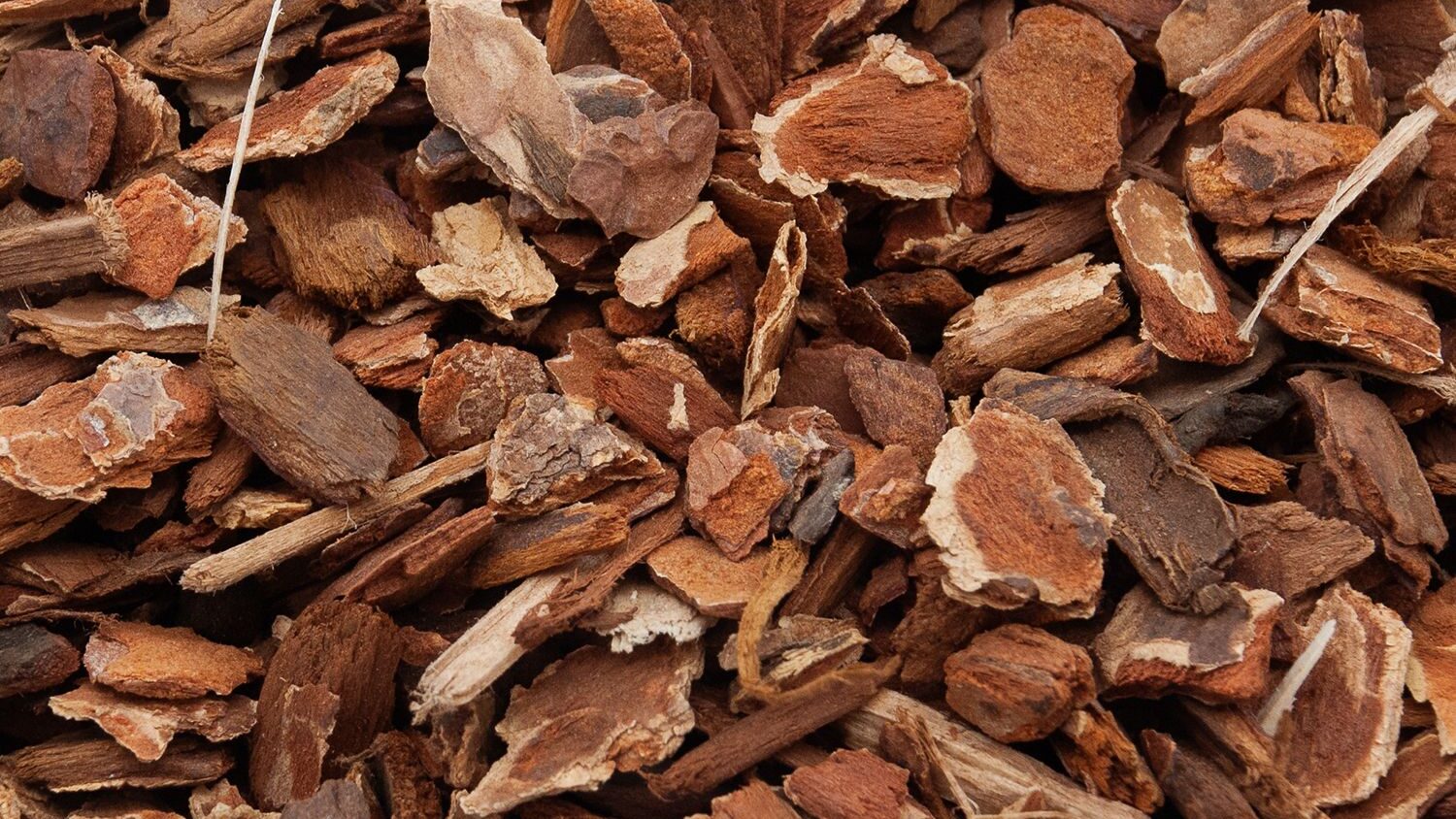
The substrate in a bioactive enclosure is vital for the ecosystem.
For tropical and semi-tropical habitats, you’ll need soil that holds and releases moisture well, is mold-resistant, aerated, and strong enough for plants to root.
On the other hand, an arid substrate should retain heat well, allow for burrowing, and allow plants to root.
You can find many commercially sold bioactive substrates, like these premixed options from The Bio Dude:
- Terra Flora (Rainforest Climate)
- Terra Fauna (Neotropical Climate)
- Terra Firma (Temperate Climate/Burrowing)
- Terra Sahara (Desert Climate/Burrowing)
You can also mix your own soil for a vivarium. This takes more effort but may be less expensive than buying a commercially sold product.
Some recommended soils and materials are listed below:
- Coconut fiber
- Tree firn fiber
- Cypress Mulch
- Clay
- Peat Moss
- Coco coir
- Sand
- Charcoal
- Orchid bark
- Sphagnum moss
Research your animal’s natural biome before adding a substrate. Ensure that there won’t be any adverse reactions to the soil, bark, clay, etc.
Natural Decor
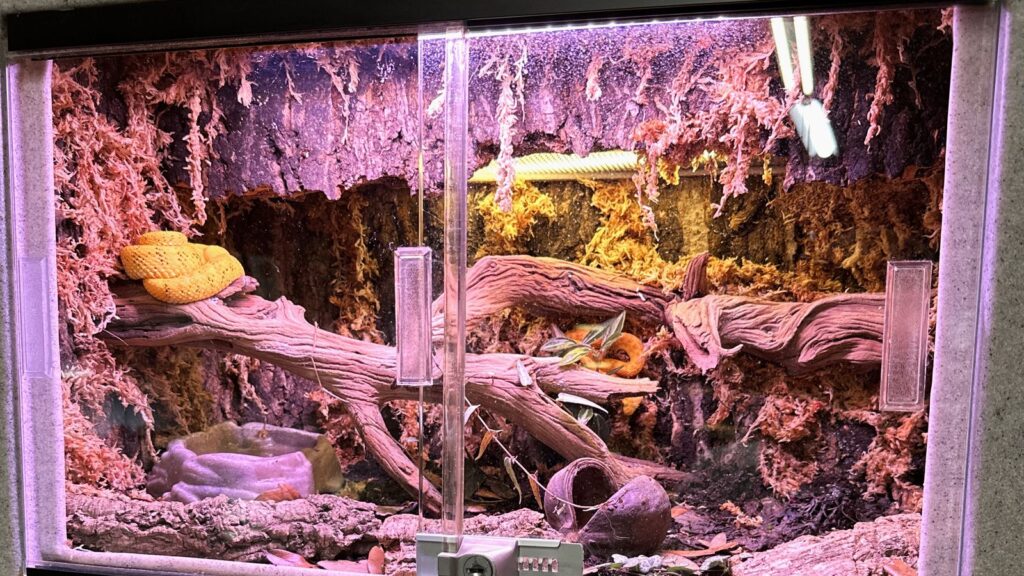
The decor will depend on your pet’s natural habitat and your preferred design.
Rocks, tree branches, and a variety of plants are the most common decorations used in Vision Cages.
If your reptile is a climber, make sure they have tiered rock shelves or branches that reach from the bottom to near the top.
For terrestrial reptiles, include ground-level objects that provide cover.
Again, research your pet’s needs to find the best accessories for them.
Living Plants
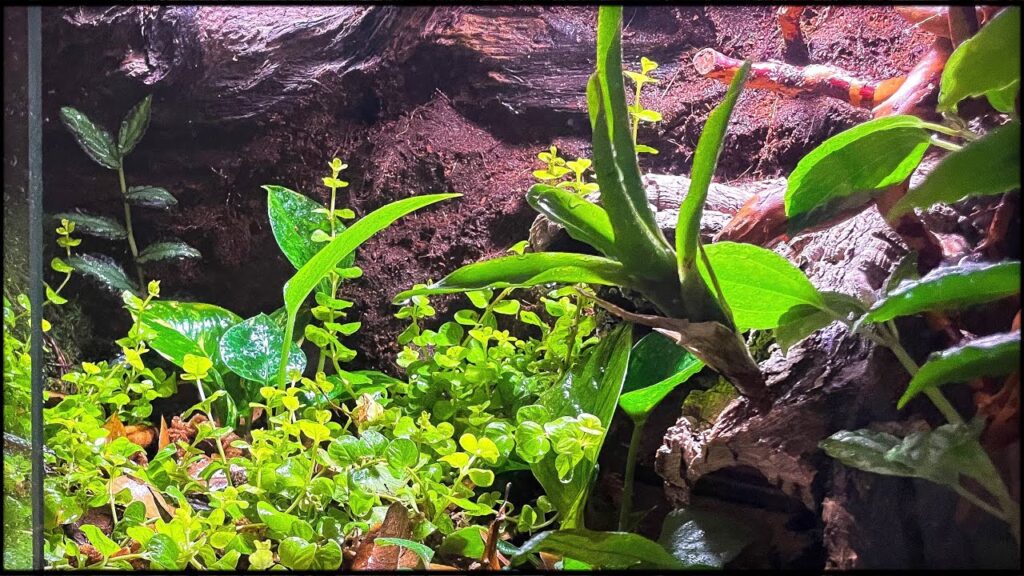
Plants absorb nutrients from the soil and release extra oxygen into the environment.
Not only that, but they help maintain humidity and provide extra areas of cover for your pet.
Keep an eye on these plants as they grow. Many reptiles will enjoy a heavily vegetated habitat, but trimming may be needed.
Bacteria & Fungi

Bacteria and fungi will grow in a bioactive vivarium, and that’s why the substrate is so essential.
If it isn’t draining properly, it can become waterlogged, which causes anaerobic bacteria to grow. This bacteria will kill plants and damage the entire ecosystem you’ve built.
The ideal situation is to have a relatively deep substrate, around 3-4″.
If it drains well, it will leave plenty of room for good bacteria to grow and nourish your plants and microfauna.
However, certain fungi, such as the mushrooms above, are natural and provide the environment with additional nutrients.
Microfaunas

Also referred to as “Tank Janitors”, microfauna are crawling insects that feed on waste.
The most common microfauna are isopods and springtails, and these little guys are crucial in a bioactive.
Their job is to break down waste by eating mold, fungus, and other byproducts.
They love to do it, and little do they know, they’re cleaning the habitat for you.
Visit this post by Josh’s Frogs to learn about springtails, isopods, and how to raise your own cultures!
Electrical Equipment (Climate Control)
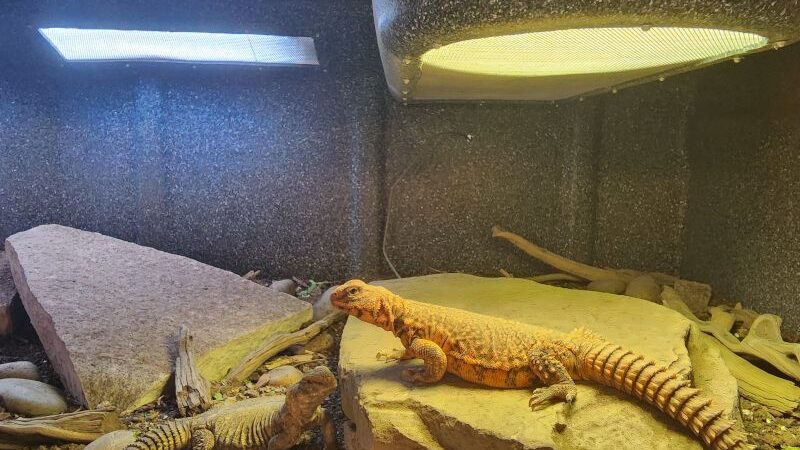
To maintain the bioactive ecosystem, you’ll need to regularly check the temperature, humidity, lighting, and moisture levels.
Additional research will be required to match your pet’s overall climate preferences.
Conclusion
Bioactive vivariums are more expensive and labor-intensive to set up, but in the long term, you may experience lower maintenance time and costs compared to a standard reptile enclosure.
It’s also the most authentic version of your pet’s habitat. And designing it may be your favorite part of the process!
Take Will Nace, for example, who transformed his Vision Cage into a semi-tropical masterpiece!

Check out our YouTube Channel for more creative habitats and tutorials!
It’s Time to Craft Your Own!
Check out our Vision Cages and get the foundation for your pet’s habitat!