
Estimated reading time: 7 minutes
Anoles are very popular pets due to their small size, docile nature, and striking intelligence.
Since many of our customers purchase a Vision Cage for their anole, we wanted more enthusiasts to learn about them and understand how to set up the proper enclosure.
Keep reading to learn about this lizard and how to provide it with the most comfortable space!
Natural Habitat of Anoles
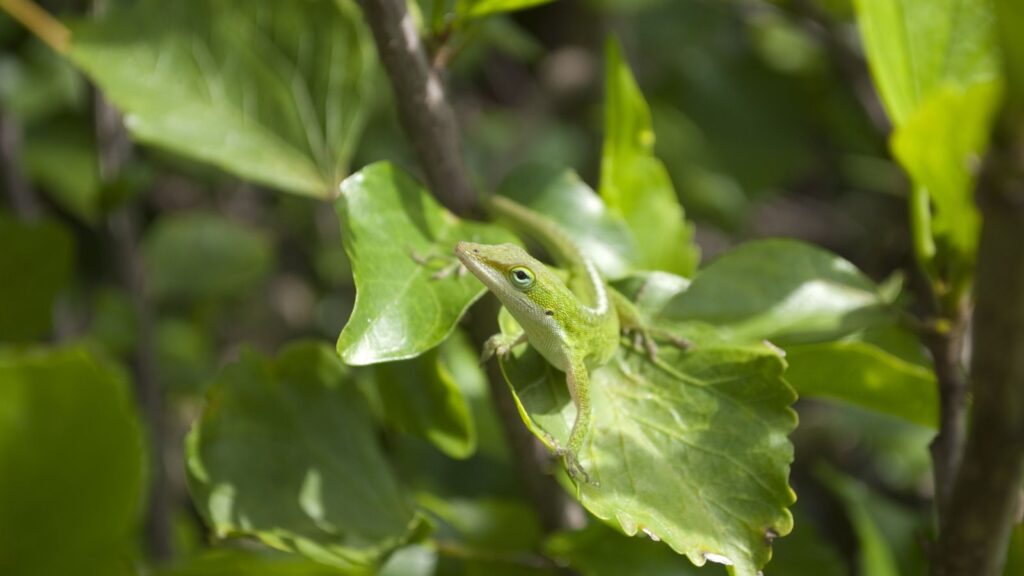
The small anole lizard is native to North, Central, and South America. They reside in warm, wet areas such as swamps, forests, and wooded beaches. In North America, you commonly find them in southeastern states like Florida, Georgia, and Mississippi.
They prefer areas with trees and elevated surfaces. A majority of anole species are arboreal and live in trees, or at least spend most of their life off the ground. They have sticky pads on their feet that make them very adept climbers.
Requirements for an Anole Enclosure
Enclosure Size
Anoles are small lizards, growing between 6 and 10 inches as adults. They may be small, but they’re very active and love to climb, so their enclosure must support that activity.
For an adult anole, we recommend cage dimensions of around [24″H x 36″L x 24″D]. If you desire a smaller size, we recommend no smaller than [12″H x 18″L x 12″D].
Minimum Cage Size: Model 111 Cage
Recommended Cage Size: Model 322 Cage
-
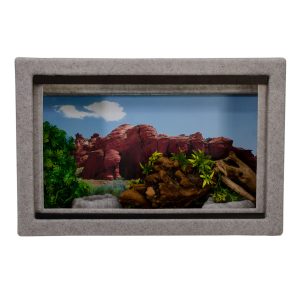 Model 111 Cage$259.00
 -
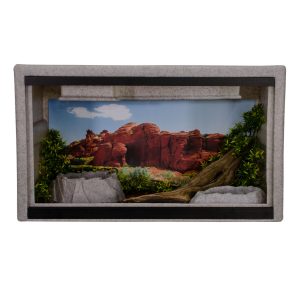 Model 322 Cage$589.00
Temperature
Your anole’s cage should contain a thermal gradient (cool end, warm end, and a basking spot) to help regulate its body temperature.
- Cool End: 75°
- Warm End: 80°
- Basking Spot: 85°-90°
- Ambient Night Temperature: 65°-70°
All Vision Cages are designed with optimal ventilation and heating in mind. You can regulate and monitor the temperature with a 1000-watt thermostat and probe.
Including light/heat fixtures to provide optimal heat and UVA/UVB lighting, which is essential for their mental and physical health.
Humidity
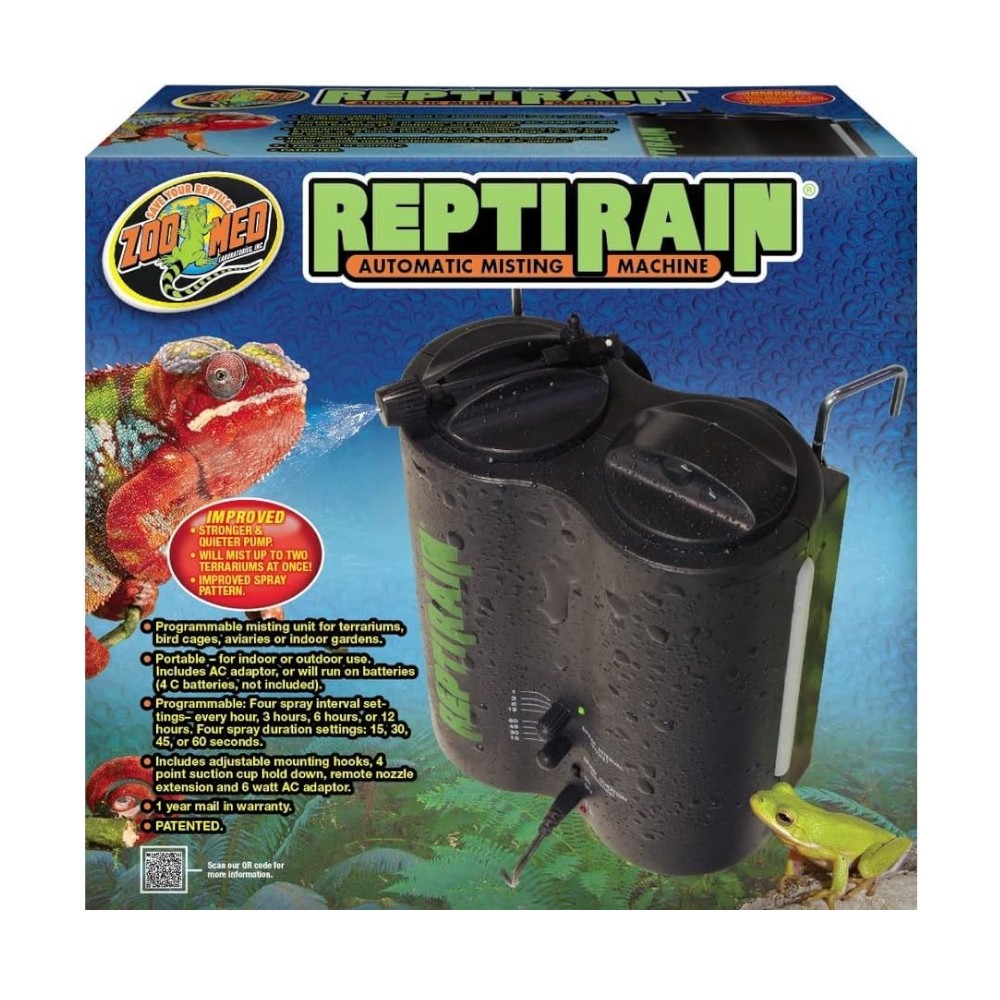
Anoles’ natural habitat is tropical and wet. A humidity level between 60% and 80% is usually the best range. See the products we offer to monitor humidity!
Is the humidity dropping below 60%? You can increase it by misting inside twice daily (once in the morning and once in the evening). Tools like automatic misters can help maintain enclosure humidity and make your job much easier.
Substrate and Bedding
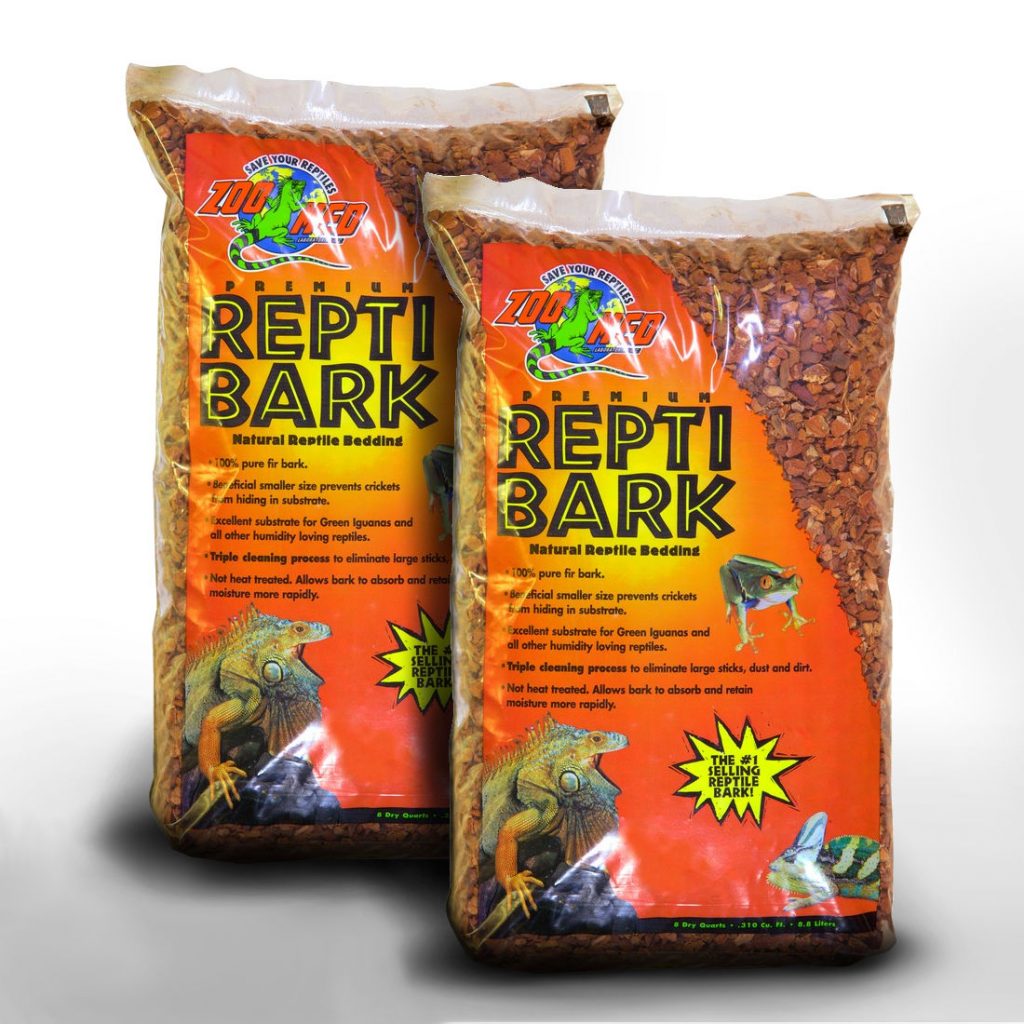
Anoles spend a lot of time in trees, but the substrate is very important.
We offer a mold-resistant bark-based substrate designed for humidity-loving animals. A primary benefit is that it retains and slowly releases moisture to maintain humidity. Some anole keepers also use peat moss.
Some keepers use paper towels as a substrate. It’s easy to clean, easy to replace, and it’s cost-effective. However, it doesn’t do much for aesthetics, you have to replace it very often, and it doesn’t hold moisture as well as bark or soil-based substrate.
Accessories and Decor
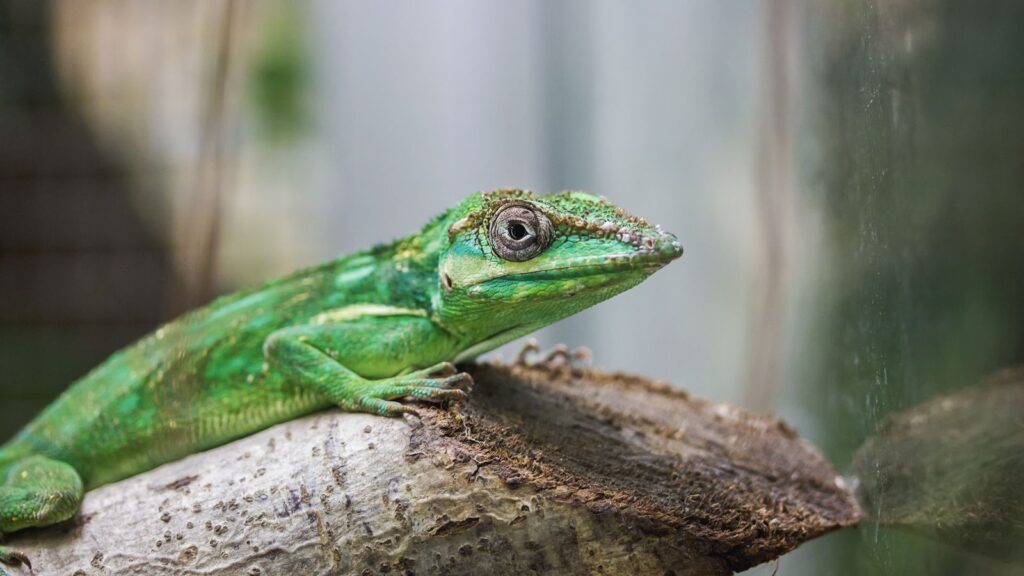
Accessories and decor are necessary to create a fun home for your intelligent little lizard. Include small branches and elevated surfaces for climbing, and a hide or two for rest. An anole will not feel at home if it can’t climb or find shelter.
Also include a water bowl. Our water bowls are made of the same HDPE material as the Vision Cage, so they’re chemical-resistant and easy to clean. A fresh dish of water will keep your anole hydrated and help maintain humidity.
More Information on Anoles as Pets
Behavior and Temperament
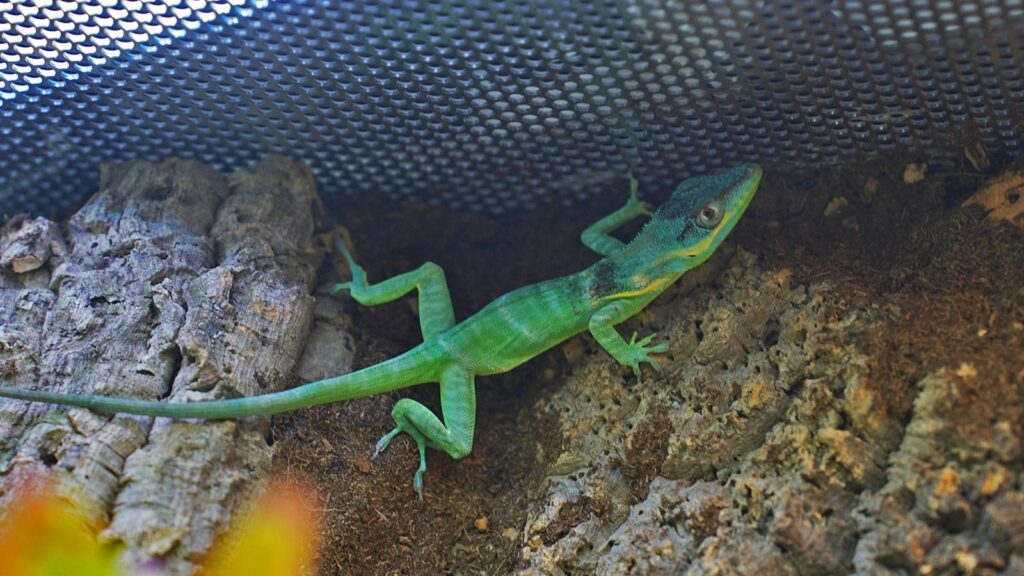
Anoles are diurnal, meaning they’re active during the day and rest through the night. They prefer tropical climates and enjoy basking in the sun to absorb adequate UVA and UVB light.
Like all lizards, they’re territorial and will fight to defend their turf. For this reason, only one male per enclosure is preferred. Anoles can live in groups, so one male with multiple females can work, or simply all females. But never more than one male!
Preferred Food
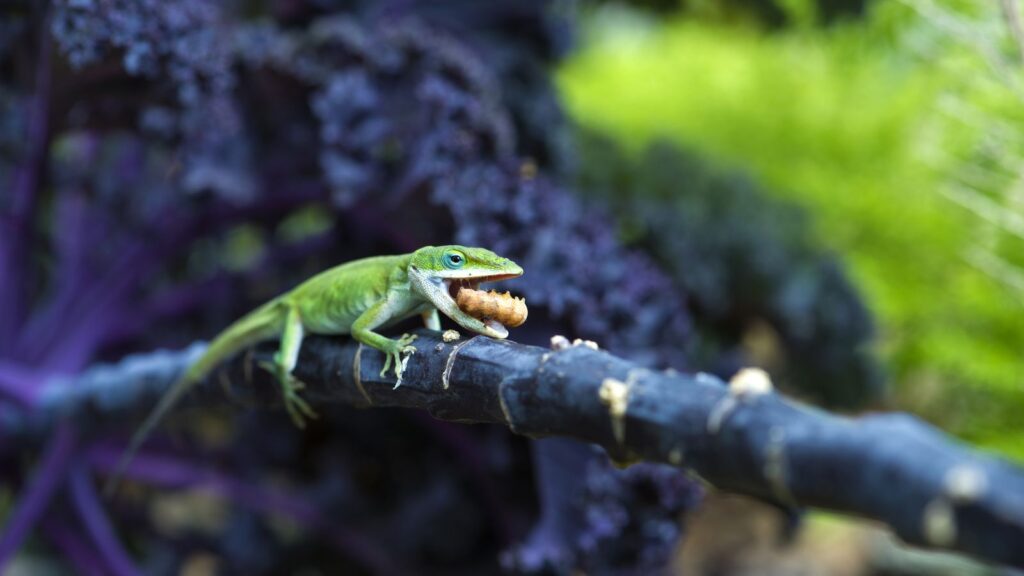
Anoles are insectivores, so they don’t need plants for nutrients.
In the wild, they eat small insects, such as crickets, spiders, flies, and beetles. These invertebrates provide anoles with adequate protein and other nutrients to survive.
How to Properly Feed
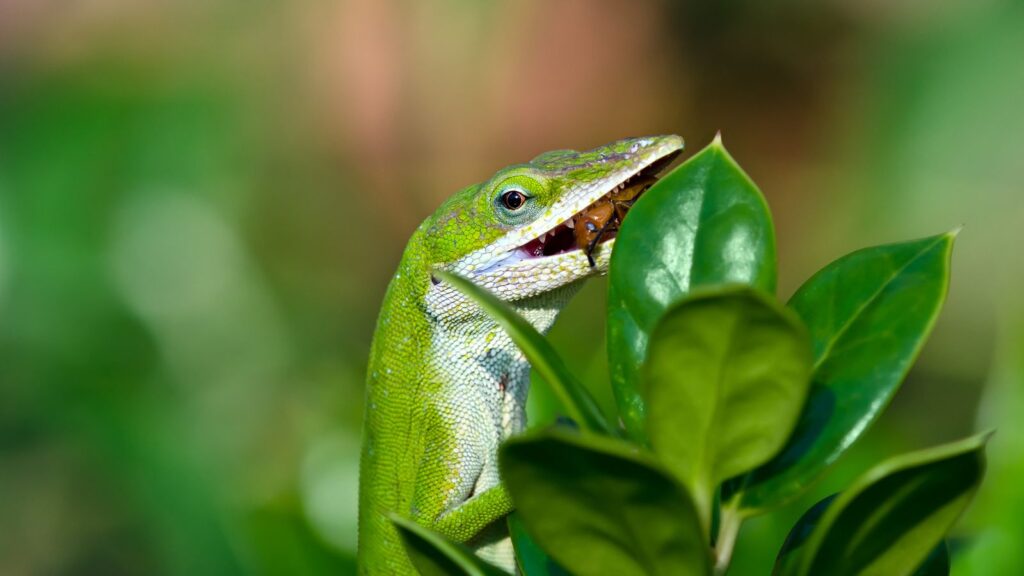
Feeding anoles in captivity is pretty basic: their diet consists mainly of crickets. Consider gut-loading feeder insects with calcium-rich ingredients before you give them to your anole. This common practice gives reptiles a nutritional boost with each feeding.
Feed your anole 2-5 small crickets every day.
As a treat, offer your anole with mealworms, phoenix worms, and hornworms once or twice a week. You should also brush these with a calcium powder supplement.
And finally, include a shallow bowl of fresh water. Chances are, your anole will step in or defecate in the bowl, so try to clean it and replace the water each day.
Design Your Anole Enclosure
Looking for a more realistic interior? You can select a scenic backdrop from our list, or we can custom-make one for you. We also offer several accessories to ensure your pet’s comfort and entertainment.
Please let us know if you have any questions about Vision Cages, additional accessories, or anything else!