
Estimated Reading Time: 4 Minutes
Many snake handlers offer their pets frozen rodents for safety, convenience, and ethical reasons. Others argue that live prey provides more nutrients and encourages natural behaviors.
Which is the better choice? This brief post outlines several key considerations, including health factors, stimulation, convenience, and costs.
Which is the Healthier Snake Food?

The most important consideration for live vs frozen-thawed rodents is the implication on your snake’s health.
Here are three factors to think about:
- Nutritional Value
- Risk of disease
- Risk of injury
Nutritional Value
Whether euthanized or alive, rats and mice provide snakes with essential proteins, fats, vitamins, and minerals.
Frozen rodents lose some nutrients over time, but the loss is minimal. Even after a couple of months in the freezer, the nutritional value of frozen-thawed prey is very comparable to that of live prey.
Risk of Disease
Living rodents have a much higher chance of carrying parasites that can sicken your snake. According to the Centers for Disease Control, they may also carry several zoonotic diseases that affect humans, like hantavirus, salmonella, monkeypox, rat-bite fever, and more.
Many snake handlers prefer frozen prey because this process kills some bacteria and prevents their growth.
Still, whether frozen or live, always practice proper hygiene when handling them. Wear gloves, keep your hands away from your mouth/face, and thoroughly wash your hands before and after handling.
Risk of Injury
When you offer your snake living prey, there is always a chance of injury. Rodents of any size will bite, scratch, and claw, which can seriously hurt your pet.
The argument here is that hunting is a natural behavior and a stimulating activity for snakes, and some believe this warrants using live prey. However, most handlers believe the pros of pre-killed prey outweigh the cons of live prey.
Try other forms of entertainment, such as toys and decor, to encourage natural behaviors and exercise without compromising safety.
Convenience of Frozen-Thawed vs Living Rodents
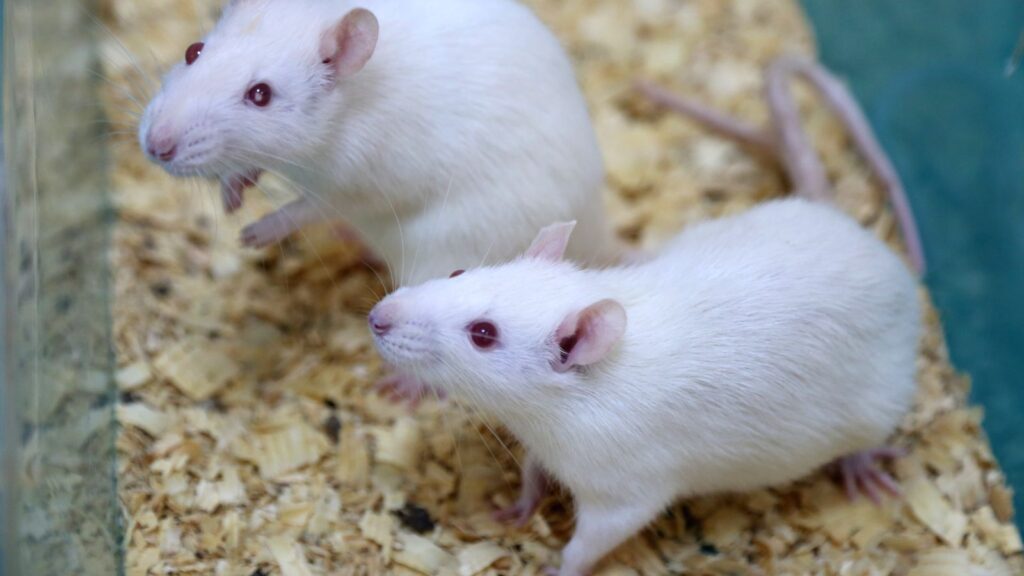
Feeding with frozen-thawed rodents is considerably more convenient than live prey.
Frozen prey are:
- Easy to buy in bulk, store, and handle
- A consistent and readily available food source
- Not required to have special housing or care
Meanwhile, live rodents will require:
- Maintaining a consistent source of healthy, live prey
- Additional housing, feeding, and watering responsibilities
- A potentially more stressful feeding process
Which is More Cost-effective?

Frozen-thawed rodents are often less expensive than acquiring live ones. You can find bulk packages online or at pet stores to reduce your per-rodent cost.
You can acquire live rodents from certain breeders, but you might pay a premium because of supply, storing, and shipping obstacles.
What If I Breed My Own Rodents?
Several start-up costs are associated with breeding, including the rack system, food, and other equipment.
However, once you’ve made your initial investment and everything is up and running, many breeders find lower long-term costs, a steady supply of snake food, and assurance that their rodents are well cared for.
Are you a rodent breeder? Check out our new Rodent Versa-Rack!
Which Gives My Snake More Stimulation?
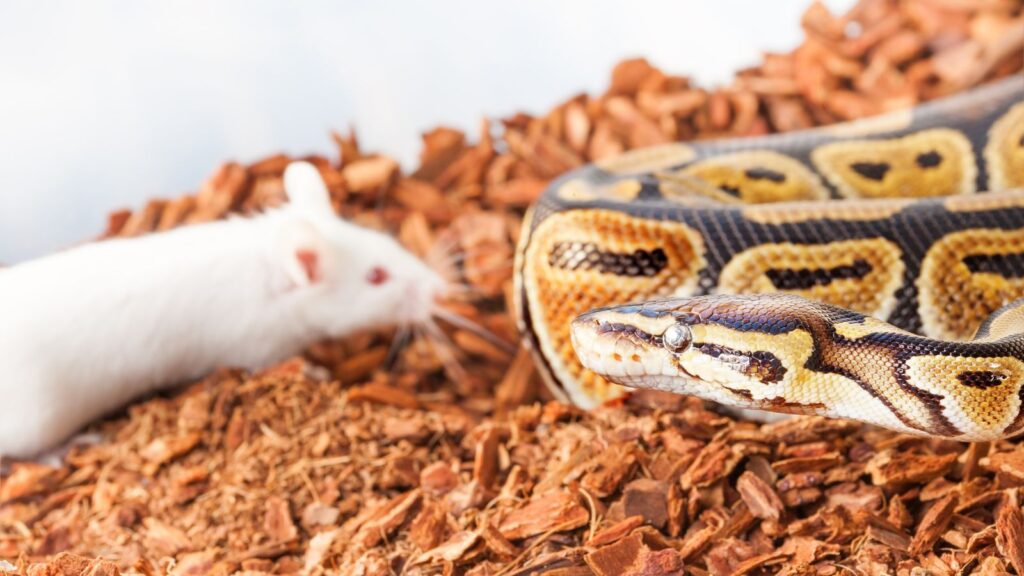
A live rodent will make your snake work for its meal, triggering their hunting instincts, promoting exercise, and engaging their cognitive abilities.
Pre-killed prey doesn’t offer the same effect, and some snakes refuse pre-killed food altogether.
But you can imitate a live rodent. Dangle the prey with forceps and move it around the enclosure to encourage your snake to strike. You can also rub food on various items in the enclosure to create a trail to follow.
If these are unsuccessful, try other feeding approaches, such as adjusting feeding time, meal size, or the appearance of the prey.
Conclusion
Most handlers (ourselves included) believe that captive snakes should be trained to eat pre-euthanized rodents since it’s more humane for the prey and overall safer for the snake.
Others believe that fresh prey and the stimulation of hunting are essential for their snakes’ mental and physical health.
Ultimately, the decision to feed frozen-thawed or live rodents depends on the individual snake, the owner’s preferences, and the specific circumstances of the reptile’s environment.